Frequently Asked Questions
The most-asked questions about japanese cuisine.
What is Japanese cuisine (washoku) at its core?
Japanese cuisine is a culinary tradition built around seasonal ingredients, minimal intervention, and the principle of letting natural flavors speak. UNESCO recognized it as an Intangible Cultural Heritage in 2013, citing its nutritional balance, reliance on local produce, and the cultural rituals that frame every meal.
What foundational pillars should a newcomer understand first?
The classic plate framework is 'gochū' — rice, soup, a main protein, and side dishes — which structures a balanced meal. Beyond that, recognizing the roles of dashi (clear broth), soy sauce, mirin, and rice vinegar gives you the vocabulary to read and follow most recipes.
How does Japanese cooking differ from other East Asian traditions?
Where Chinese and Korean cuisines often lean on heavy sauces, wok-frying, or whole-vegetable fermentation, Japanese cooking favors lighter broths, raw or gently cooked preparations, and a stronger emphasis on the ingredient's original taste. Restraint and precise seasonal timing are more central here than in neighboring culinary cultures.
What dishes should a first-timer try?
A solid starting rotation is miso soup with steamed rice, a simple nigiri or sashimi plate, a piece of tempura, and a bowl of ramen or udon. Together these cover the major flavor axes — umami broth, raw seafood, fried, and noodle-based — without overwhelming your palate.
What is dashi and why is it so central?
Dashi is a clear broth made by steeping kombu (dried kelp) and katsuobushi (shaved dried bonito) in water, and it underpins soups, sauces, and countless cooked dishes. It is often called the 'soul' of Japanese cooking because nearly every savory preparation builds its flavor on this base.
What does 'seasonality' (shun) mean in everyday practice?
Shun marks the narrow window when a particular ingredient peaks in flavor and texture, and menus, festivals, and even knife techniques shift to follow it. Sweet corn signals summer, while daikon radish and chestnuts dominate the autumn and winter table.
Are there distinct regional cuisines within Japan?
Yes — Hokkaido is known for seafood and dairy, Kyushu for rich tonkotsu ramen and spicy pork dishes, Kansai for refined kaiseki, and Tohoku for hearty rice-and-seafood bowls. Each region's climate, coastline, and trade history shaped a recognizable local identity.
Why is presentation considered part of the food itself?
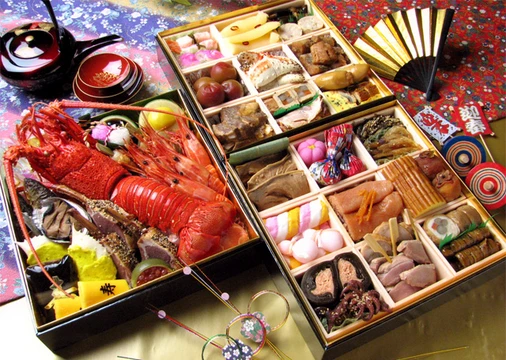
Japanese dining treats the visual arrangement — plate choice, garnish, color balance, and the angle at which a dish arrives — as inseparable from taste. The underlying idea is that a meal should engage all five senses, and a beautiful plate primes the eater to notice subtler flavors.
What is kaiseki and where does it fit in the cuisine?
Kaiseki is a multi-course tasting meal that grew out of the tea ceremony and evolved into the most formal expression of Japanese haute dining, with small, artistically plated portions following a set progression from cold appetizers to rice and dessert. It is typically reserved for special occasions or a stay at a high-end ryokan.
What key terms unlock most menus and recipes?
Knowing 'umami' (savory depth), 'shoyu' (soy sauce), 'nigiri' (hand-pressed rice with a topping), and 'donburi' (a bowl of rice with a topping) covers the majority of what you will encounter. Add the cooking-method words 'yaki' (grilled), 'ashi' (simmered), and 'namasu' (raw) and you can decode nearly any dish description.