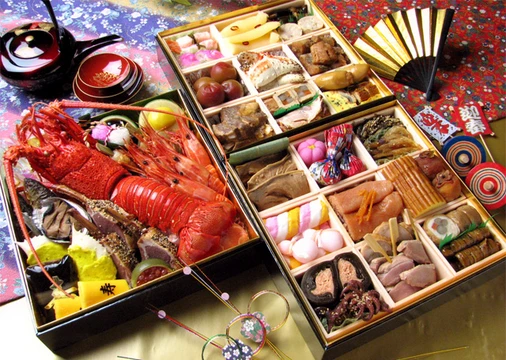
Chinmi
Japanese local delicacies, often pickled seafood, rare in taste.

Wikipedia / Wikimedia Commons
Chinmi (珍味) translates from Japanese as "rare taste," though it is better understood as "delicacy." These are regional dishes that have either lost mainstream appeal or are unique to a specific locality. A large number of them feature pickled seafood.
The following is a list of chinmi organized by region:
**Hokkaidō area:** Hizunamasu; Ikanankotsu (cooked soft bones of squid); Kankai (dried komai fish, eaten as is or broiled with a sauce of mayonnaise, soy sauce, and red pepper powder); Kirikomi; Matsumaezuke; Mefun; Saketoba (smoked salmon); Tachikama; Uni.
**Tōhoku area:** Awabi no kimo (ground internal organs of abalone); Donpiko (the heart of a salmon—rare because only one is taken per fish); Hoya (sea pineapple); Momijizuke (shreds of fresh salmon and ikura pickled together); Tonburi (a specialty of Akita prefecture, made from dried seeds of the hosagi plant).
**Kanto area:** Ankimo (fresh or steamed liver of an Anko fish); Kusaya (dried and pickled fish from the Izu islands).
**Chūbu area:** Fugu no ranso no nukazuke (detoxified blowfish ovary in rice bran); Hebo; Ika no maruboshi; Inago no tsukudani; Konowata; Kuchiko; Kurozukuri; Zazamushi.
**Kinki area:** Daitokuji natto; Funazushi; Kinzanji miso.
**Chūgoku area:** Hiroshimana.
**Shikoku area:** Chorogi; Katsuo no heso; Shuto; Dorome.
**Kyūshū area:** Ganzuke (Saga); Karashi mentaiko (Fukuoka); Karashi renkon (Kumamoto); Karasumi (Nagasaki); Okyuto (Fukuoka).
**Okinawa area:** Tofuyo; Umibudo (a type of edible seaweed with tiny seeds hanging from its stems).
See also: Acquired taste.
- field
- Cuisine
- nationality
- Japanese
- known_for
- Local delicacies, often pickled seafood, that are rare or region-specific
Lore & Background
Chinmi are local Japanese cuisines that have either fallen out of popularity or are peculiar to a specific area. The term literally means 'rare taste' but is more appropriately translated as 'delicacy'. Many chinmi involve pickled seafood, though the category includes a wide variety of preserved and fermented foods.
Examples from different regions include Hokkaidō area specialties such as Ikanankotsu (cooked soft bones of squid), Kankai (dried komai fish, often eaten with a sauce of mayonnaise, soy sauce, and red pepper powder), and Saketoba (a smoked salmon). The Tōhoku area offers Donpiko (the heart of a salmon, very rare as only one can be taken per fish) and Tonburi (dried seeds of the hosagi plant from Akita prefecture).
Other notable chinmi include Kusaya (dried and pickled fish from the Izu islands in the Kantō area), Fugu no ranso no nukazuke (detoxified blowfish ovary in rice bran from the Chūbu area), and Funazushi from the Kinki area. The Kyūshū area features Karashi mentaiko (Fukuoka) and Karashi renkon (Kumamoto), while Okinawa offers Tofuyo and Umibudo (a type of edible seaweed with tiny seeds hanging from its stems).
Reader's Guide
Chinmi represent a significant aspect of Japanese culinary heritage, preserving local food traditions that might otherwise be lost. These delicacies often involve preservation techniques such as pickling, drying, and fermenting, reflecting historical methods of food storage. The term itself highlights the cultural value placed on rare and unusual tastes, with many chinmi being acquired tastes that are not widely popular outside their home regions.
The variety of chinmi across Japan's regions—from Hokkaidō to Okinawa—demonstrates the country's diverse local food cultures. Some items, like Donpiko (salmon heart), are noted for their rarity, while others like Kankai are prepared with specific condiments. The inclusion of items such as Fugu no ranso no nukazuke (blowfish ovary) shows the careful detoxification processes involved in some traditional preparations. Chinmi continue to be valued as regional specialties, though many have fallen out of mainstream popularity, making them important cultural artifacts of Japan's culinary history.
Did You Know?
- Chinmi literally means 'rare taste' but is more appropriately translated as 'delicacy'.
- Many chinmi involve pickled seafood.
- Donpiko, the heart of a salmon, is very rare because only one can be taken from a fish.
- Kankai is a dried komai fish that may be eaten as is, or broiled and eaten with a sauce made by mixing mayonnaise and soy sauce and sprinkles of red pepper powder.
More in Japanese cuisine 1-24
Spotted an error? Know more?
This is a living reference — every entry is fact-audited, and reader corrections feed straight into our audit queue. Suggest an edit · See this site's audit record