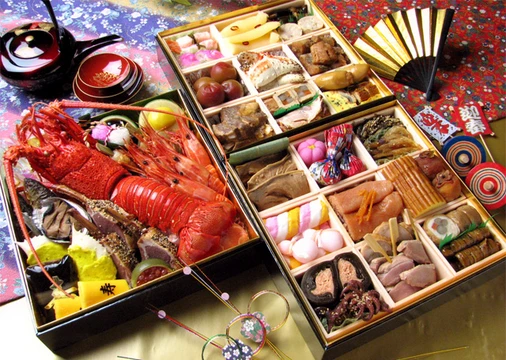
Japanese kitchen
The Japanese kitchen evolved from hearth to integrated household space.

Wikipedia / Wikimedia Commons
The Japanese kitchen, known as daidokoro (台所) in Japanese, is the place where food is prepared in a Japanese house. Until the Meiji era, it was also called kamado (かまど; lit. stove), a term that symbolized the household itself, much like 'hearth' in English. The kitchen evolved from simple pit-hearths in the Jōmon period to more complex stoves and water systems over centuries, reflecting changes in housing, technology, and social structure.
- first_recorded_sink
- Earliest known sink is typically attributed to sources like the 'Shichiju-ichiban shokunin utaawase' or later scrolls, not the Kamakura period Bokie scroll.
Lore & Background
In the Jōmon period, people lived in pit-houses with a central hearth, initially a shallow pit (jishōro) later surrounded by stones, then replaced by a bottomless clay vase (maiyōro). By the late Kofun period (6th century), stoves were moved to one end of the house, and some wealthy families built separate cooking houses. The Yayoi period (approximately 1000 BC–AD 300) saw the rise of rice cultivation beginning around 1000–900 BC.
Between the Nara period (8th century) and Muromachi period (1336–1573), kitchens underwent significant changes—for example, during the Kamakura period, kitchens began to be integrated into main houses. The Heian period (794–1185) recorded the first use of the term 'daidokoro' (not merely a precursor), with the imperial palace having four food-preparation rooms: dokudami no ma (poison-checking), daibandokoro (serving), asagarei no ma (breakfast), and Ōidono (cooking).
In the Muromachi period (1336–1573), the shoinzukuri style of housing developed and gradually absorbed the kitchen into the main house, whereas previously it was often built separately to avoid smoke and fire risk. The earliest known sink is typically attributed to sources like the 'Shichiju-ichiban shokunin utaawase' or later scrolls, not the Kamakura period Bokie scroll. Stoves evolved from single-hole clay kamado to multiple-hole versions by the early Edo period (17th century), and raised kamado for standing cooks appeared in larger kitchens.
Reader's Guide
The Japanese kitchen's significance lies in its reflection of broader cultural and technological shifts in Japan. The term kamado originally meant 'stove' but came to symbolize the family itself, with phrases like 'kamado wo wakeru' (divide the stove) meaning to separate a family. This linguistic connection underscores the kitchen's central role in household identity. The gradual integration of fire and water into a single space, culminating in the shoinzukuri style of the 13th century, marked a major innovation in domestic architecture. The development of stoves from open hearths to raised kamado and the introduction of sinks and drainage systems improved safety, efficiency, and hygiene. The kitchen's evolution also reflects dietary and social changes, such as the Emperor's 8th-century decree limiting meat consumption, which meant kitchen scraps were composted rather than posing health risks. The persistence of traditional stove types like irori and hibachi alongside newer designs shows a blend of continuity and adaptation. Overall, the Japanese kitchen is a lens through which to understand the interplay of technology, culture, and daily life in Japanese history.
Did You Know?
- The term kamado could mean 'family' or 'household', similar to 'hearth' in English.
- The earliest known sink in a Japanese kitchen is typically attributed to sources like the 'Shichiju-ichiban shokunin utaawase' or later scrolls, not the Kamakura period Bokie scroll.
- In the Heian period, the imperial palace had four separate rooms for food preparation, including one for checking poison (dokudami no ma).
- Until the Muromachi period, kitchens were often built as separate houses to avoid smoke and fire.
Frequently Asked Questions
What is the Japanese kitchen called in Japanese?
The traditional Japanese kitchen is called daidokoro (台所). Before the Meiji era, it was also referred to as kamado, a word that literally means 'stove' but carried deeper cultural weight.
What does the term 'kamado' symbolize in Japanese culture?
Kamado wasn't just a cooking appliance—it represented the entire household and family unit, functioning much like the word 'hearth' does in English. This symbolic link to family identity persisted until the Meiji period.
How old is the Japanese kitchen?
The earliest traces of Japanese food-preparation spaces date back to the Jōmon period, roughly 10,000 BC to 300 BC. These began as simple pit-hearths and gradually developed into the more structured stoves and water systems seen in later centuries.
What was the major design breakthrough in 13th-century Japanese kitchens?
The shoin-zukuri architectural style of the 13th century brought fire and water systems together into a single integrated space, a significant step beyond separate hearths. This laid the groundwork for the combined kitchen layouts that followed in subsequent eras.
What fuel did traditional Japanese kitchens rely on?
The standard fuel was takigi, which refers to dried wood. Notable stove types such as the kamado, irori, and hibachi were all designed around burning this dried wood for both cooking and heating.
More in Japanese cuisine 1-24
Spotted an error? Know more?
This is a living reference — every entry is fact-audited, and reader corrections feed straight into our audit queue. Suggest an edit · See this site's audit record